The Fed Signals the End of the Tightening Cycle
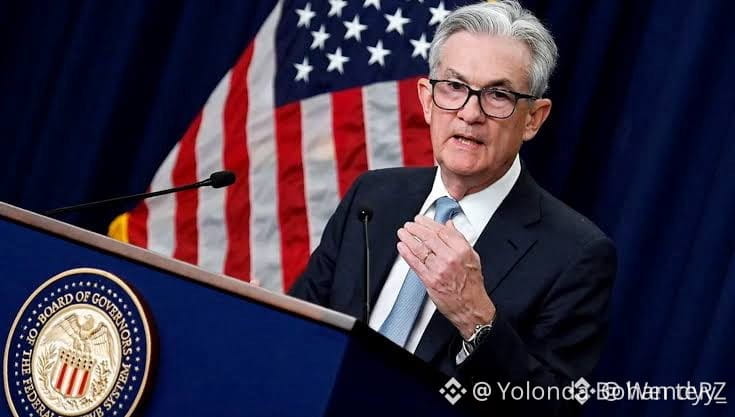
Jerome Powell’s latest FOMC press conference delivered a clear and powerful message beneath the usual cautious language: the era of rate hikes is over.
The Federal Reserve kept interest rates unchanged at 3.5%–3.75% in a 10–2 decision. Not a single member argued for another hike, while two already supported a cut. Powell made the stance unmistakable when he said, “A rate hike is not anyone’s base case.” With that statement, the tightening cycle was effectively declared complete.
From Hiking to Waiting
The key policy debate has shifted. The question is no longer whether rates should go higher, but how long the Fed can afford to wait before easing. While no cuts were pre-committed, the direction of policy has clearly changed.
Inflation: The Right Kind of Problem
Powell acknowledged that inflation remains above target, but emphasized that its source matters. According to the Fed, most of the remaining pressure is coming from tariffs, not from overheating demand.
When tariff effects are stripped out, core PCE inflation is only slightly above 2%, a level far less concerning than in previous years. Powell noted that tariff-driven inflation should peak by mid-2026, with disinflation beginning later this year. If this path holds, it gives the Fed room to ease without reigniting inflation expectations.
Growth and Jobs Remain Resilient
The U.S. economy continues to surprise to the upside. Growth has been stronger than expected, and unemployment appears to be stabilizing. Importantly, the Fed views current policy as already restrictive enough. In other words, the brakes are on — there is no need to press them harder.
Policy Outlook: No More Hikes
Officially, decisions will continue to be made meeting by meeting. But the subtext is clear: rate hikes are no longer part of the discussion. The Fed may hold for some time, but the next move is widely expected to be a cut, not an increase.
Dollar, Deficits, and Gold
Powell reiterated that the Fed does not target the U.S. dollar and sees little evidence that global investors are fleeing dollar assets. However, his comments on fiscal policy were unusually direct. He described the U.S. budget deficit as unsustainable and warned that the sooner it is addressed, the better.
Markets reacted immediately. Gold pushed to new highs, reinforcing its role as a hedge against long-term fiscal risk and currency debasement.
Independence and Tariffs
Powell stressed that the Federal Reserve remains fully independent and that policy will continue to be guided by data, not politics. On tariffs, the Fed views them as a one-time price level adjustment, not a lasting source of inflation. If their effects fade as expected, monetary policy can gradually become less restrictive.
No Hike Ahead, Cuts in Sight
Powell described current policy as neutral to mildly restrictive and emphasized that a great deal of tightening has already been done. Most importantly, no one at the Fed expects the next move to be a hike.
The Big Picture
All signals now point in the same direction:
The tightening cycle is finished
Inflation is cooling, with tariffs the main remaining risk
Financial conditions are no longer tightening
The next policy shift is likely toward easing, not further restriction
This FOMC meeting quietly confirmed a major turning point. The market is no longer preparing for higher rates.
It is now waiting for the beginning of the rate-cut cyce