

The Walrus Ecosystem: Projects Building on WAL
Walrus (WAL) is changing how we think about storage in Web3. It runs on the Sui blockchain and offers a decentralized network for data that’s secure, scalable, and programmable—just what you want for things like AI models, NFTs, or any kind of crypto data. Here’s the clever part: Walrus chops files into encoded pieces and spreads them out across independent storage nodes. Even if some nodes drop off, your files stay safe and easy to grab. It also beats old-school centralized storage (and even most early decentralized options) on cost and reliability.
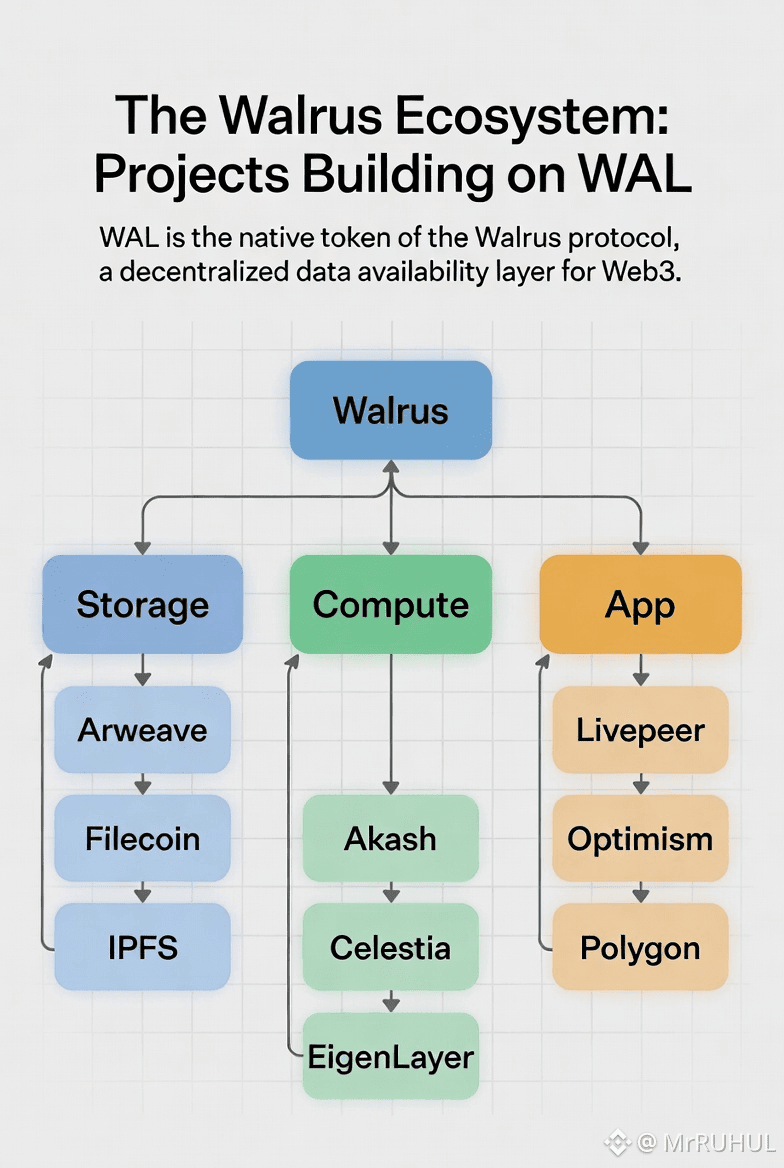
But Walrus isn’t just some invisible storage layer. A bunch of projects have already jumped on board, doing things you just can’t pull off with regular storage. Think AI and data tools, Web3 platforms, NFT and media apps, DeFi utilities, and a stack of developer tools—all building right on top of Walrus.
AI & Machine Learning Integrations
OpenGradient is a standout. It’s an AI development platform that uses Walrus to store over 100 AI models—fully decentralized, with no need for centralized IPFS servers. Developers can tokenize and monetize their datasets and model assets. With programmable storage and cryptographic access controls, they get to train, store, and deploy models without giving up any control.
Then there’s Talus. This project goes further with on-chain AI agents—not just smart contracts, but actual autonomous bots that can store, fetch, and process data straight from Walrus. So you end up with AI apps that are decentralized, transparent, and always have access to the data they need.
Decentralized Apps & Web3 Projects
Walrus Sites lets developers build decentralized websites—everything, from backend data to frontend assets, lives on Walrus instead of some server you have to trust. That makes these apps basically tamper-proof, and they plug right into Sui smart contracts.
Tusky is another one worth mentioning. It’s a gateway for uploading files—NFTs, website assets, whatever—to Walrus, with built-in encryption and access control. If you care about censorship resistance and real user ownership, Tusky’s a big deal.
TradePort, a multichain NFT marketplace, uses Walrus for all its NFT metadata and files. NFTs eat up a ton of storage, and Walrus handles it in a way that’s verifiable and doesn’t hit the limits of on-chain storage.
Data Tools & Media Platforms
Walrus powers a few tools for heavy-duty data work:
Blob Vault: For secure file encryption and decentralized archiving.
Walrus Wayback: Website archiving that keeps the web’s history alive—no central server needed.
Suitok: Lets creators publish and manage videos directly on decentralized storage.
These apps show how Walrus lets you create, archive, and share content without ever handing your data to a big cloud company. Privacy and ownership stay in your hands.
DeFi & Infrastructure Use Cases
As Walrus keeps growing, DeFi and crypto infrastructure projects are getting involved:
Bluefin logs cryptographic attestations and trade data on Walrus, building audit trails nobody can mess with.
Cetus DEX puts its frontends on Walrus, so users can always reach them—even if the internet gets flaky.
Deeptrade builds verifiable frontend components on Walrus for more transparency.
All these integrations make it clear: Walrus isn’t just a storage solution, it’s becoming the backbone for a new wave of financial protocols that need reliable, always-on data.
SDKs, Tools, and Developer Infrastructure
There’s plenty here for builders too. Walrus has SDKs for TypeScript, Go, Rust, Python—even mobile. The Seal SDK handles decentralized secret management and tight access control for storage objects. Visualization dashboards give developers a real-time look at what’s happening on-chain.
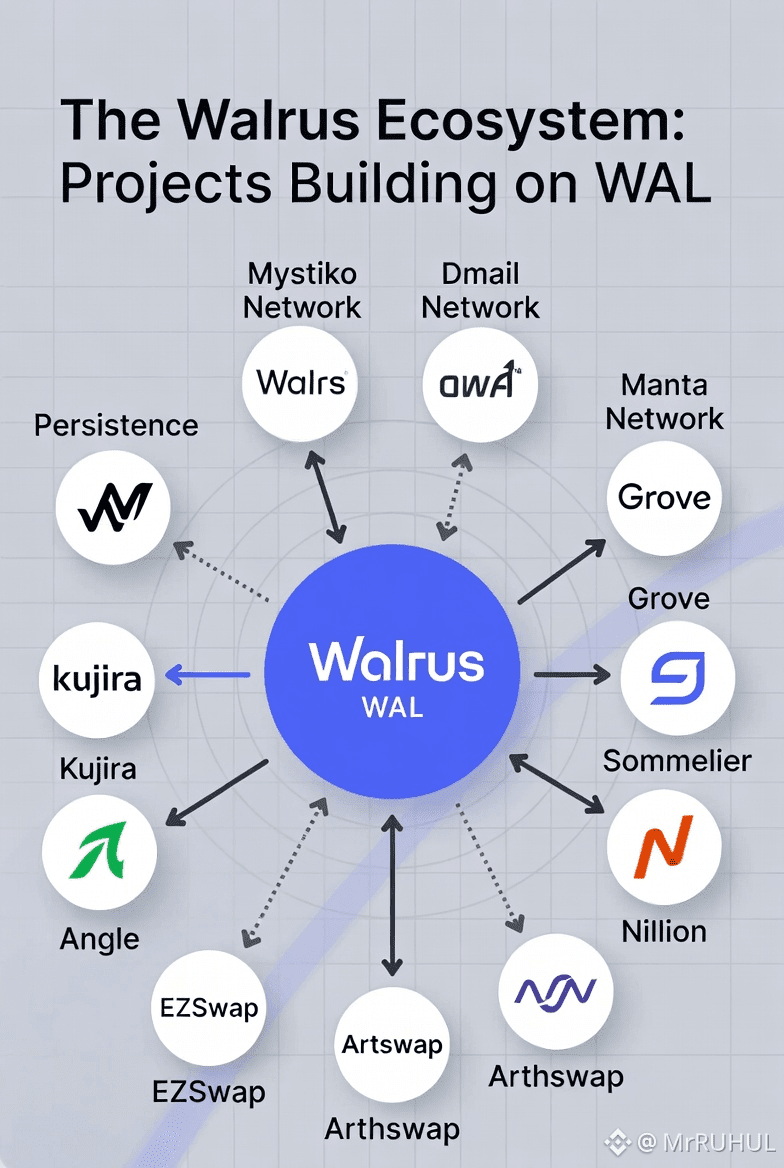
Bottom line: the Walrus ecosystem is growing fast. It’s not only about storing files—it’s about seeing what happens when data is truly decentralized, programmable, and always at your fingertips.@Walrus 🦭/acc #Walrus $WAL


