
Crypto jeams
Giao dịch mở
Trader thường xuyên
7.3 tháng
415 Đang theo dõi
5.7K+ Người theo dõi
9.7K+ Đã thích
362 Đã chia sẻ
Tất cả
Trích dẫn
Live
Xem bản gốc
#walrus $WAL #Walrus $WAL
Các ứng dụng không bị hỏng do thời gian khối chậm — chúng thất bại khi lưu trữ không thể mở rộng. Walrus được xây dựng để đáp ứng nhu cầu nặng về dữ liệu như tệp phương tiện, tập dữ liệu, hoạt động của người dùng và trạng thái ứng dụng, tất cả trong khi vẫn bảo vệ sự riêng tư và an ninh ở tầng giao dịch. $WAL động lực và quản trị, cung cấp cho mạng lưới nền tảng mà nó cần để duy trì tính bền vững trong dài hạn.
Các ứng dụng không bị hỏng do thời gian khối chậm — chúng thất bại khi lưu trữ không thể mở rộng. Walrus được xây dựng để đáp ứng nhu cầu nặng về dữ liệu như tệp phương tiện, tập dữ liệu, hoạt động của người dùng và trạng thái ứng dụng, tất cả trong khi vẫn bảo vệ sự riêng tư và an ninh ở tầng giao dịch. $WAL động lực và quản trị, cung cấp cho mạng lưới nền tảng mà nó cần để duy trì tính bền vững trong dài hạn.
Dịch
The River Inside: A Love Letter to Plasma
There's a universe flowing through your veins right now, and you've probably never given it a second thought.
It's called plasma, and it's easy to overlook. When we think about blood, we picture the red stuff—the dramatic, movie-worthy crimson that signifies life and death. We romanticize the heart, that tireless pump. We marvel at the brain, that electric wonder. But plasma? Pale yellow, mostly water, decidedly unglamorous plasma?
We forget it exists.
And that, I think, is plasma's greatest tragedy. Because plasma is the unsung hero of your body, the stage upon which every other performer stands, the quiet current that makes everything else possible.
Let me tell you why plasma deserves your attention, your gratitude, and maybe even your awe.
The Ultimate Multitasker
Plasma is that friend who shows up to help you move, brings their own truck, provides snacks, and somehow also fixes your wifi while they're there.
It makes up 55% of your blood—more than half—yet it rarely gets credit for the extraordinary things it does. Plasma is the delivery service for your entire body. Nutrients from your breakfast? Plasma carries them. Hormones sending messages from your thyroid to your toes? Plasma is the postal system. Waste products that need to reach your kidneys for disposal? Plasma hauls them away without complaint.
It regulates your body temperature, shuttling heat from your core to your skin when you're overheating, redistributing warmth when you're cold. It maintains your blood pressure, that crucial balance between flowing freely and clotting when needed. It carries antibodies—your immune system's memory and weapons—to every corner of your body.
And it does all of this invisibly, thanklessly, every second of every day you've been alive.
If plasma were a person, it would be the one who remembers everyone's birthday, keeps the household running, and never asks for recognition. The backbone. The glue. The quietly essential.
The Democracy of Donation
Here's where plasma becomes deeply, movingly human: you can give it away, and it saves lives.
Unlike organ donation, which requires matching and surgery and often tragedy, plasma donation is elegantly simple. You sit in a chair. A machine carefully separates your plasma from your red blood cells, keeps the plasma, and returns everything else to your body. An hour or so later, you walk out. Within 48 hours, your body has completely replenished what you gave.
Your plasma—that forgettable yellow liquid—becomes medicine.
It treats people with immune deficiencies who can't fight infections on their own. It helps burn victims whose bodies have lost crucial proteins. It saves people in shock, people with bleeding disorders, people whose own plasma has turned against them in autoimmune conditions. It's spun into therapies for rare diseases with names most of us will never learn to pronounce.
One donation can help multiple people. Regular donors—people who give plasma every few weeks—create a steady stream of life for strangers they'll never meet.
There's something profoundly beautiful about that. Your body makes something so abundantly that you can literally give it away, repeatedly, and never run out. It's generosity written into biology.
When Plasma Becomes a Battlefield
But plasma isn't always a gentle river. Sometimes it becomes a war zone.
In sepsis, when infection overwhelms the body, plasma becomes chaos. The careful balance of clotting factors goes haywire. Blood vessels leak. Plasma that should stay inside your circulatory system seeps into tissues, causing swelling, dropping blood pressure, starving organs. The body's communication system—normally so reliable—starts screaming contradictory orders.
In autoimmune diseases, plasma carries antibodies that have lost the ability to distinguish friend from foe. Your own immune proteins, traveling through plasma, attack your joints, your nerves, your skin. The delivery system that should nourish you instead carries weapons against yourself.
Treatment often involves plasmapheresis—literally filtering out the problematic plasma and replacing it with donor plasma or synthetic alternatives. It's like changing the oil in a car, except the car is a person and the oil contains their entire immune memory.
The vulnerability is staggering. The fact that the river inside you can turn dangerous. That the same system that keeps you alive can, through no fault of your own, become the problem.
If that doesn't humble you about the fragility of existence, I don't know what will.
The Memory Keeper
Here's something that stopped me in my tracks when I learned it: your plasma remembers.
Every infection you've ever fought, every vaccine you've ever received—the antibodies are still there, floating in your plasma. It's a liquid archive of your immune history. The chicken pox you had in third grade. The flu shot you got last autumn. That nasty stomach bug from the sketchy street food in 2019.
Your plasma remembers all of it.
When you donate plasma, you're not just giving generic fluid. You're giving your history. If you've recently recovered from COVID-19, your plasma carries antibodies that might save someone currently fighting the virus. Your experience becomes their protection.
There's something almost mystical about it. Your body's memory, liquid and transferable, capable of teaching someone else's immune system what you already learned the hard way.
We talk about sharing knowledge, sharing experience, sharing wisdom. But plasma donation is sharing survival itself.
The Industrial Complex We Don't Discuss
I'd be dishonest if I didn't mention the complicated economics of plasma.
Unlike whole blood donation, which is almost entirely volunteer-based in most developed countries, plasma donation is often compensated. There's a thriving plasma industry. Collection centers in economically depressed areas where people donate twice a week because they need the money. Pharmaceutical companies that turn plasma into products costing thousands of dollars per dose.
The ethics get murky fast. Is it exploitation to pay people for plasma when they're doing it out of financial desperation? Or is it fair compensation for time and mild discomfort? Are we creating a two-tiered system where wealthy people's medical needs are met by poor people's bodies?
Some donors describe feeling empowered—their plasma is valuable, literally saves lives, and they're compensated for providing it. Others describe feeling like a commodity, a plasma farm, reduced to the liquid their veins can produce.
The truth probably lives somewhere in the uncomfortable middle. Plasma donation can be both altruistic and transactional. Life-saving and profit-driven. Empowering and exploitative.
Just like plasma itself, it contains multitudes.
The Quiet Miracle
But step back from the complexity for a moment.
Your body makes plasma. Constantly. Effortlessly. Without you having to think about it or try or even know it's happening. You woke up this morning and your bone marrow was already producing the components, your liver was already synthesizing the proteins, your kidneys were already regulating the balance.
Right now, as you read this, plasma is coursing through roughly 60,000 miles of blood vessels in your body. It's keeping your brain oxygenated so you can understand these words. It's maintaining the pH balance that keeps every cellular process running. It's standing ready to clot if you get a paper cut, to fight if a virus invades, to heal if you're injured.
You didn't have to ask for any of this. You don't have to maintain it consciously. Your body just... does it.
That's the quiet miracle we walk around with every day, too busy to notice, too distracted to appreciate.
What Plasma Teaches Us
If I've learned anything from thinking deeply about plasma, it's this:
The most essential things are often the least visible.
Plasma doesn't announce itself. It doesn't demand attention. It just shows up, day after day, doing the unglamorous work of keeping you alive. It's the foundation upon which everything else is built.
How many people in our lives are like that? How many systems, how many processes, how many quiet acts of maintenance and care go unnoticed because they're simply... there. Reliable. Constant. Easy to take for granted.
Plasma also teaches us about interconnection. Nothing in your body works alone. The red blood cells need plasma to travel. The immune system needs plasma to deploy. The organs need plasma to communicate. Remove it, and everything falls apart.
We are not self-sufficient islands. We are rivers flowing into rivers, systems depending on systems, bodies that only function in relationship to their own parts and, through donation, to other bodies entirely.
A Moment of Gratitude
So here's what I want to propose: next time you're sitting quietly—in traffic, in a waiting room, lying in bed before sleep—take a moment to feel your pulse.
That rhythm you're feeling? It's your heart pushing plasma and blood through your body. That faint whoosh in your ears when it's really quiet? That's the river inside you, flowing ceaselessly.
You are carrying an ocean. A pale yellow ocean full of proteins with names like albumin and fibrinogen and immunoglobulin. A delivery system more sophisticated than any technology we've created. A renewable resource you can literally give away and your body will replace, like magic, within two days.
You are, whether you think about it or not, a walking miracle.
And plasma—overlooked, underappreciated, forgettable plasma—is part of what makes you, impossibly, wonderfully, alive.
The river flows.
It always has.
And if you're lucky, if you're careful, if you're grateful—it always will.#plasma @Plasma $XPL
It's called plasma, and it's easy to overlook. When we think about blood, we picture the red stuff—the dramatic, movie-worthy crimson that signifies life and death. We romanticize the heart, that tireless pump. We marvel at the brain, that electric wonder. But plasma? Pale yellow, mostly water, decidedly unglamorous plasma?
We forget it exists.
And that, I think, is plasma's greatest tragedy. Because plasma is the unsung hero of your body, the stage upon which every other performer stands, the quiet current that makes everything else possible.
Let me tell you why plasma deserves your attention, your gratitude, and maybe even your awe.
The Ultimate Multitasker
Plasma is that friend who shows up to help you move, brings their own truck, provides snacks, and somehow also fixes your wifi while they're there.
It makes up 55% of your blood—more than half—yet it rarely gets credit for the extraordinary things it does. Plasma is the delivery service for your entire body. Nutrients from your breakfast? Plasma carries them. Hormones sending messages from your thyroid to your toes? Plasma is the postal system. Waste products that need to reach your kidneys for disposal? Plasma hauls them away without complaint.
It regulates your body temperature, shuttling heat from your core to your skin when you're overheating, redistributing warmth when you're cold. It maintains your blood pressure, that crucial balance between flowing freely and clotting when needed. It carries antibodies—your immune system's memory and weapons—to every corner of your body.
And it does all of this invisibly, thanklessly, every second of every day you've been alive.
If plasma were a person, it would be the one who remembers everyone's birthday, keeps the household running, and never asks for recognition. The backbone. The glue. The quietly essential.
The Democracy of Donation
Here's where plasma becomes deeply, movingly human: you can give it away, and it saves lives.
Unlike organ donation, which requires matching and surgery and often tragedy, plasma donation is elegantly simple. You sit in a chair. A machine carefully separates your plasma from your red blood cells, keeps the plasma, and returns everything else to your body. An hour or so later, you walk out. Within 48 hours, your body has completely replenished what you gave.
Your plasma—that forgettable yellow liquid—becomes medicine.
It treats people with immune deficiencies who can't fight infections on their own. It helps burn victims whose bodies have lost crucial proteins. It saves people in shock, people with bleeding disorders, people whose own plasma has turned against them in autoimmune conditions. It's spun into therapies for rare diseases with names most of us will never learn to pronounce.
One donation can help multiple people. Regular donors—people who give plasma every few weeks—create a steady stream of life for strangers they'll never meet.
There's something profoundly beautiful about that. Your body makes something so abundantly that you can literally give it away, repeatedly, and never run out. It's generosity written into biology.
When Plasma Becomes a Battlefield
But plasma isn't always a gentle river. Sometimes it becomes a war zone.
In sepsis, when infection overwhelms the body, plasma becomes chaos. The careful balance of clotting factors goes haywire. Blood vessels leak. Plasma that should stay inside your circulatory system seeps into tissues, causing swelling, dropping blood pressure, starving organs. The body's communication system—normally so reliable—starts screaming contradictory orders.
In autoimmune diseases, plasma carries antibodies that have lost the ability to distinguish friend from foe. Your own immune proteins, traveling through plasma, attack your joints, your nerves, your skin. The delivery system that should nourish you instead carries weapons against yourself.
Treatment often involves plasmapheresis—literally filtering out the problematic plasma and replacing it with donor plasma or synthetic alternatives. It's like changing the oil in a car, except the car is a person and the oil contains their entire immune memory.
The vulnerability is staggering. The fact that the river inside you can turn dangerous. That the same system that keeps you alive can, through no fault of your own, become the problem.
If that doesn't humble you about the fragility of existence, I don't know what will.
The Memory Keeper
Here's something that stopped me in my tracks when I learned it: your plasma remembers.
Every infection you've ever fought, every vaccine you've ever received—the antibodies are still there, floating in your plasma. It's a liquid archive of your immune history. The chicken pox you had in third grade. The flu shot you got last autumn. That nasty stomach bug from the sketchy street food in 2019.
Your plasma remembers all of it.
When you donate plasma, you're not just giving generic fluid. You're giving your history. If you've recently recovered from COVID-19, your plasma carries antibodies that might save someone currently fighting the virus. Your experience becomes their protection.
There's something almost mystical about it. Your body's memory, liquid and transferable, capable of teaching someone else's immune system what you already learned the hard way.
We talk about sharing knowledge, sharing experience, sharing wisdom. But plasma donation is sharing survival itself.
The Industrial Complex We Don't Discuss
I'd be dishonest if I didn't mention the complicated economics of plasma.
Unlike whole blood donation, which is almost entirely volunteer-based in most developed countries, plasma donation is often compensated. There's a thriving plasma industry. Collection centers in economically depressed areas where people donate twice a week because they need the money. Pharmaceutical companies that turn plasma into products costing thousands of dollars per dose.
The ethics get murky fast. Is it exploitation to pay people for plasma when they're doing it out of financial desperation? Or is it fair compensation for time and mild discomfort? Are we creating a two-tiered system where wealthy people's medical needs are met by poor people's bodies?
Some donors describe feeling empowered—their plasma is valuable, literally saves lives, and they're compensated for providing it. Others describe feeling like a commodity, a plasma farm, reduced to the liquid their veins can produce.
The truth probably lives somewhere in the uncomfortable middle. Plasma donation can be both altruistic and transactional. Life-saving and profit-driven. Empowering and exploitative.
Just like plasma itself, it contains multitudes.
The Quiet Miracle
But step back from the complexity for a moment.
Your body makes plasma. Constantly. Effortlessly. Without you having to think about it or try or even know it's happening. You woke up this morning and your bone marrow was already producing the components, your liver was already synthesizing the proteins, your kidneys were already regulating the balance.
Right now, as you read this, plasma is coursing through roughly 60,000 miles of blood vessels in your body. It's keeping your brain oxygenated so you can understand these words. It's maintaining the pH balance that keeps every cellular process running. It's standing ready to clot if you get a paper cut, to fight if a virus invades, to heal if you're injured.
You didn't have to ask for any of this. You don't have to maintain it consciously. Your body just... does it.
That's the quiet miracle we walk around with every day, too busy to notice, too distracted to appreciate.
What Plasma Teaches Us
If I've learned anything from thinking deeply about plasma, it's this:
The most essential things are often the least visible.
Plasma doesn't announce itself. It doesn't demand attention. It just shows up, day after day, doing the unglamorous work of keeping you alive. It's the foundation upon which everything else is built.
How many people in our lives are like that? How many systems, how many processes, how many quiet acts of maintenance and care go unnoticed because they're simply... there. Reliable. Constant. Easy to take for granted.
Plasma also teaches us about interconnection. Nothing in your body works alone. The red blood cells need plasma to travel. The immune system needs plasma to deploy. The organs need plasma to communicate. Remove it, and everything falls apart.
We are not self-sufficient islands. We are rivers flowing into rivers, systems depending on systems, bodies that only function in relationship to their own parts and, through donation, to other bodies entirely.
A Moment of Gratitude
So here's what I want to propose: next time you're sitting quietly—in traffic, in a waiting room, lying in bed before sleep—take a moment to feel your pulse.
That rhythm you're feeling? It's your heart pushing plasma and blood through your body. That faint whoosh in your ears when it's really quiet? That's the river inside you, flowing ceaselessly.
You are carrying an ocean. A pale yellow ocean full of proteins with names like albumin and fibrinogen and immunoglobulin. A delivery system more sophisticated than any technology we've created. A renewable resource you can literally give away and your body will replace, like magic, within two days.
You are, whether you think about it or not, a walking miracle.
And plasma—overlooked, underappreciated, forgettable plasma—is part of what makes you, impossibly, wonderfully, alive.
The river flows.
It always has.
And if you're lucky, if you're careful, if you're grateful—it always will.#plasma @Plasma $XPL
Xem bản gốc
#plasma $XPL #Plasma $XPL
Plasma đang xây dựng nền tảng cho một hệ sinh thái trên chuỗi mạnh mẽ với trọng tâm rõ ràng vào khả năng mở rộng, bảo mật và tính hữu ích trong thế giới thực. Thật thú vị khi thấy cách mà @Plasma đang phát triển hạ tầng blockchain hiệu quả trong khi mở rộng các trường hợp sử dụng của hệ sinh thái. Khi việc áp dụng tăng lên, triển vọng cho $XPL có vẻ ngày càng hấp dẫn.
Plasma đang xây dựng nền tảng cho một hệ sinh thái trên chuỗi mạnh mẽ với trọng tâm rõ ràng vào khả năng mở rộng, bảo mật và tính hữu ích trong thế giới thực. Thật thú vị khi thấy cách mà @Plasma đang phát triển hạ tầng blockchain hiệu quả trong khi mở rộng các trường hợp sử dụng của hệ sinh thái. Khi việc áp dụng tăng lên, triển vọng cho $XPL có vẻ ngày càng hấp dẫn.
Dịch
The Walrus Who Taught Me About Vulnerability
I'll never forget the first time I really saw a walrus—not at a zoo, not in a documentary, but truly saw one for what it was.
It was hauling itself onto a rocky outcrop somewhere in the Bering Sea, visible through binoculars from a research vessel I was lucky enough to be on. The creature moved with what I can only describe as determined exhaustion, like someone lugging groceries up four flights of stairs after a twelve-hour shift. Flippers slapping, body heaving, tusks scraping against stone. And when it finally made it to the top, it didn't pose majestically or survey its kingdom.
It collapsed into a blob and immediately fell asleep.
I laughed. But then I felt something unexpected: kinship.
The Beauty of Being Awkward
Here's what nobody tells you about walruses—they're phenomenally awkward on land. Evolution designed them for water, where they're surprisingly graceful swimmers, capable of elegant twists and dives. But on shore? They're basically living beanbags with tusks, flopping around with all the coordination of a person trying to run in a dream.
And yet, they don't seem embarrassed. They don't apologize for taking up space. A walrus doesn't suck in its stomach or try to appear smaller. It exists fully, unapologetically, in whatever form it takes.
There's something almost revolutionary about that in our age of filters and carefully curated lives. The walrus refuses to be anything other than exactly what it is: large, whiskered, often covered in barnacles, occasionally drooling, utterly magnificent.
The Loneliness of Letting Go
Female walruses are devoted mothers in a way that transcends species. For three years, sometimes longer, a mother carries her calf through life—teaching it to dive, showing it where clams hide in the seafloor mud, protecting it from predators. The bond is so intense that mothers have been observed grieving calves that don't survive, carrying their small bodies through the water for days.
But eventually, every mother walrus must do the hardest thing: let go.
Researchers have documented the process. The calf, now a teenager in walrus years, keeps trying to stay close. The mother, gently but firmly, creates distance. There are no dramatic goodbyes in nature, no graduation ceremonies or tearful airport departures. Just a mother who knows her child must find independence, and a young walrus who doesn't quite understand why they can't stay together forever.
Anyone who's ever watched a child leave home, or been that child, knows this particular ache.
The Tyranny of the Tusk
Male walruses carry weapons on their faces: tusks that can grow over three feet long. They use them to haul themselves onto ice (hence the name—"walrus" comes from a Norse word meaning "whale horse" or possibly "tooth walker"). They use them to dig breathing holes. They use them in dominance displays and occasional fights.
But mostly? The tusks determine social hierarchy.
Bigger tusks mean higher status. Better resting spots. First access to food. The respect of the herd. A male walrus born with smaller tusks—through no fault of his own, just genetic lottery—will spend his entire life as a subordinate. He'll eat last. Sleep on the margins. Watch other males with their impressive ivory get the prime territories.
The unfairness is almost human in its arbitrariness. We like to think we've evolved beyond judging others by superficial features, but have we really? The walrus with small tusks didn't choose them any more than a person chooses their height, their face, their body. And yet, hierarchy persists.
The Ones Who Don't Fit
In every walrus colony, there are loners. Males who, for whatever reason, don't quite mesh with herd dynamics. Maybe they lost a crucial fight. Maybe they're just temperamentally solitary. Maybe the noise and jostle of hundreds of bodies is too much.
These walruses haul out on distant rocks, away from the crowd. They forage alone. They rest in solitude.
Scientists used to think they were sick or outcast. But long-term studies suggest some walruses simply prefer solitude. They're not suffering; they're just different. They've opted out of the constant social negotiation that herd life demands.
I think about these walruses more than I probably should. In a world that constantly tells us connection is everything, community is essential, isolation is death—here are creatures proving that sometimes, some individuals genuinely thrive in quieter waters.
When the World Changes Too Fast
The tragedy unfolding in the Arctic is the walrus story I wish I didn't have to tell.
As sea ice vanishes, walruses lose their traditional resting platforms. Mothers and calves, who once safely dozed on ice floes between feeding sessions, now must swim exhausting distances to shore. The beaches become overcrowded. Panic spreads easily. In the chaos, mothers and calves become separated, sometimes permanently.
Some walruses, disoriented and desperate for rest, attempt to scale cliffs. Walruses. Climbing. Cliffs. It's as absurd and heartbreaking as it sounds. They're not built for it. Many fall.
When I see footage of these climbs, I don't see stupidity. I see desperation. I see creatures doing something completely contrary to their nature because their world has fundamentally changed and they're just trying to survive.
I see us, honestly. All of us, trying to adapt to a rapidly shifting world, sometimes making choices that seem irrational to others but feel like the only option available.
The Walrus at Rest
But let me end with the image that stays with me most.
A group of walruses, piled together on a sun-warmed beach. The sound is extraordinary—a symphony of snores, grunts, and sighs. Every few minutes, one shifts position, disrupting neighbors, triggering a wave of grumpy repositioning that eventually settles back into communal sleep.
They're touching. Always touching. Flippers draped over backs. Heads resting on bellies. Tusks occasionally clicking together in sleep. Even the largest bulls, when they're not posturing or competing, seek this contact. This warmth. This assurance that they're not alone.
In our hyper-individualistic culture, we sometimes forget how much we need this. Physical presence. The comfort of others breathing nearby. The knowledge that someone's got your back, literally, while you rest.
Walruses understand something we keep forgetting: vulnerability shared is vulnerability halved. Sleep deeper when you're surrounded by those who'll wake if danger comes. Rest easier when you're not carrying everything alone.
What the Walrus Knows
The walrus doesn't have Instagram or a mortgage or existential dread about the meaning of life. But it knows exhaustion. It knows the relief of finally reaching solid ground after a long swim. It knows the warmth of bodies pressed together against the cold. It knows loss, fear, hunger, safety, comfort, connection.
It knows that life is sometimes awkward and undignified, and that's okay.
It knows that asking for space or seeking solitude doesn't make you broken.
It knows that the world changes, sometimes cruelly, and all you can do is adapt as best you can.
Most of all, the walrus knows this: there is no shame in being exactly what you are—tusks or no tusks, grace or no grace, surrounded by hundreds or resting alone on a distant rock.
The walrus simply exists, fully and completely, in whatever form survival takes.
And maybe, just maybe, that's the most human thing of all.#walrus @Walrus 🦭/acc $WAL
It was hauling itself onto a rocky outcrop somewhere in the Bering Sea, visible through binoculars from a research vessel I was lucky enough to be on. The creature moved with what I can only describe as determined exhaustion, like someone lugging groceries up four flights of stairs after a twelve-hour shift. Flippers slapping, body heaving, tusks scraping against stone. And when it finally made it to the top, it didn't pose majestically or survey its kingdom.
It collapsed into a blob and immediately fell asleep.
I laughed. But then I felt something unexpected: kinship.
The Beauty of Being Awkward
Here's what nobody tells you about walruses—they're phenomenally awkward on land. Evolution designed them for water, where they're surprisingly graceful swimmers, capable of elegant twists and dives. But on shore? They're basically living beanbags with tusks, flopping around with all the coordination of a person trying to run in a dream.
And yet, they don't seem embarrassed. They don't apologize for taking up space. A walrus doesn't suck in its stomach or try to appear smaller. It exists fully, unapologetically, in whatever form it takes.
There's something almost revolutionary about that in our age of filters and carefully curated lives. The walrus refuses to be anything other than exactly what it is: large, whiskered, often covered in barnacles, occasionally drooling, utterly magnificent.
The Loneliness of Letting Go
Female walruses are devoted mothers in a way that transcends species. For three years, sometimes longer, a mother carries her calf through life—teaching it to dive, showing it where clams hide in the seafloor mud, protecting it from predators. The bond is so intense that mothers have been observed grieving calves that don't survive, carrying their small bodies through the water for days.
But eventually, every mother walrus must do the hardest thing: let go.
Researchers have documented the process. The calf, now a teenager in walrus years, keeps trying to stay close. The mother, gently but firmly, creates distance. There are no dramatic goodbyes in nature, no graduation ceremonies or tearful airport departures. Just a mother who knows her child must find independence, and a young walrus who doesn't quite understand why they can't stay together forever.
Anyone who's ever watched a child leave home, or been that child, knows this particular ache.
The Tyranny of the Tusk
Male walruses carry weapons on their faces: tusks that can grow over three feet long. They use them to haul themselves onto ice (hence the name—"walrus" comes from a Norse word meaning "whale horse" or possibly "tooth walker"). They use them to dig breathing holes. They use them in dominance displays and occasional fights.
But mostly? The tusks determine social hierarchy.
Bigger tusks mean higher status. Better resting spots. First access to food. The respect of the herd. A male walrus born with smaller tusks—through no fault of his own, just genetic lottery—will spend his entire life as a subordinate. He'll eat last. Sleep on the margins. Watch other males with their impressive ivory get the prime territories.
The unfairness is almost human in its arbitrariness. We like to think we've evolved beyond judging others by superficial features, but have we really? The walrus with small tusks didn't choose them any more than a person chooses their height, their face, their body. And yet, hierarchy persists.
The Ones Who Don't Fit
In every walrus colony, there are loners. Males who, for whatever reason, don't quite mesh with herd dynamics. Maybe they lost a crucial fight. Maybe they're just temperamentally solitary. Maybe the noise and jostle of hundreds of bodies is too much.
These walruses haul out on distant rocks, away from the crowd. They forage alone. They rest in solitude.
Scientists used to think they were sick or outcast. But long-term studies suggest some walruses simply prefer solitude. They're not suffering; they're just different. They've opted out of the constant social negotiation that herd life demands.
I think about these walruses more than I probably should. In a world that constantly tells us connection is everything, community is essential, isolation is death—here are creatures proving that sometimes, some individuals genuinely thrive in quieter waters.
When the World Changes Too Fast
The tragedy unfolding in the Arctic is the walrus story I wish I didn't have to tell.
As sea ice vanishes, walruses lose their traditional resting platforms. Mothers and calves, who once safely dozed on ice floes between feeding sessions, now must swim exhausting distances to shore. The beaches become overcrowded. Panic spreads easily. In the chaos, mothers and calves become separated, sometimes permanently.
Some walruses, disoriented and desperate for rest, attempt to scale cliffs. Walruses. Climbing. Cliffs. It's as absurd and heartbreaking as it sounds. They're not built for it. Many fall.
When I see footage of these climbs, I don't see stupidity. I see desperation. I see creatures doing something completely contrary to their nature because their world has fundamentally changed and they're just trying to survive.
I see us, honestly. All of us, trying to adapt to a rapidly shifting world, sometimes making choices that seem irrational to others but feel like the only option available.
The Walrus at Rest
But let me end with the image that stays with me most.
A group of walruses, piled together on a sun-warmed beach. The sound is extraordinary—a symphony of snores, grunts, and sighs. Every few minutes, one shifts position, disrupting neighbors, triggering a wave of grumpy repositioning that eventually settles back into communal sleep.
They're touching. Always touching. Flippers draped over backs. Heads resting on bellies. Tusks occasionally clicking together in sleep. Even the largest bulls, when they're not posturing or competing, seek this contact. This warmth. This assurance that they're not alone.
In our hyper-individualistic culture, we sometimes forget how much we need this. Physical presence. The comfort of others breathing nearby. The knowledge that someone's got your back, literally, while you rest.
Walruses understand something we keep forgetting: vulnerability shared is vulnerability halved. Sleep deeper when you're surrounded by those who'll wake if danger comes. Rest easier when you're not carrying everything alone.
What the Walrus Knows
The walrus doesn't have Instagram or a mortgage or existential dread about the meaning of life. But it knows exhaustion. It knows the relief of finally reaching solid ground after a long swim. It knows the warmth of bodies pressed together against the cold. It knows loss, fear, hunger, safety, comfort, connection.
It knows that life is sometimes awkward and undignified, and that's okay.
It knows that asking for space or seeking solitude doesn't make you broken.
It knows that the world changes, sometimes cruelly, and all you can do is adapt as best you can.
Most of all, the walrus knows this: there is no shame in being exactly what you are—tusks or no tusks, grace or no grace, surrounded by hundreds or resting alone on a distant rock.
The walrus simply exists, fully and completely, in whatever form survival takes.
And maybe, just maybe, that's the most human thing of all.#walrus @Walrus 🦭/acc $WAL
Xem bản gốc
#walrus $WAL #Walrus $WAL
Gọi tất cả những người đam mê crypto 🌊 Bước vào không gian DeFi với Walrus Protocol, nơi thiết kế thanh khoản thông minh và các chiến lược tối ưu hóa lợi suất đang bắt đầu thu hút sự chú ý. Tác động đang tăng trưởng nhanh chóng. Bạn đã xem xét những gì $WAL mang lại chưa? Làn sóng đổi mới này đang chuyển động — hãy chắc chắn rằng bạn không đứng ngoài cuộc.
Gọi tất cả những người đam mê crypto 🌊 Bước vào không gian DeFi với Walrus Protocol, nơi thiết kế thanh khoản thông minh và các chiến lược tối ưu hóa lợi suất đang bắt đầu thu hút sự chú ý. Tác động đang tăng trưởng nhanh chóng. Bạn đã xem xét những gì $WAL mang lại chưa? Làn sóng đổi mới này đang chuyển động — hãy chắc chắn rằng bạn không đứng ngoài cuộc.
Xem bản gốc
#walrus $WAL Mỗi chu kỳ thị trường đều có một dự án tập trung vào việc thực hiện trong khi những dự án khác chạy theo sự chú ý. Giao thức @Walrus 🦭/acc phù hợp với vai trò đó — tiến bộ vững chắc trong lưu trữ phi tập trung thông qua kỹ thuật vững chắc thay vì sự thổi phồng. Khi sự chuyển mình hướng tới dữ liệu không cần tin cậy gia tăng, sức mạnh và sự liên quan của $WAL ngày càng trở nên không thể bị bỏ qua.
@Walrus 🦭/acc #walrus $WAL
@Walrus 🦭/acc #walrus $WAL
Xem bản gốc
Sự Khôn Ngoan Bất Ngờ của Hải Mã: Những Gì Chúng Ta Có Thể Học Hỏi Từ Những Người Khổng Lồ Dịu Dàng Của Đại Dương
Có điều gì đó sâu sắc về tính nhân văn của một con hải mã, ngay cả khi chúng ta không thấy điều đó ngay từ cái nhìn đầu tiên.
Hãy tưởng tượng điều này: một sinh vật nặng 3.000 pound đang kéo mình lên một tảng băng với tất cả sự duyên dáng của một người leo ra khỏi hồ bơi sau một ngày mệt mỏi. Con hải mã đổ sụp thành đống, béo ú và huy hoàng, xung quanh là hàng chục bạn đồng hành của nó. Chúng chen chúc nhau, càu nhàu với nhau, và cuối cùng tụ tập thành một đống khổng lồ, ngáy ngủ trong sự thỏa mãn.
Nếu điều đó không có vẻ quen thuộc, tôi không biết điều gì thì có.
Hãy tưởng tượng điều này: một sinh vật nặng 3.000 pound đang kéo mình lên một tảng băng với tất cả sự duyên dáng của một người leo ra khỏi hồ bơi sau một ngày mệt mỏi. Con hải mã đổ sụp thành đống, béo ú và huy hoàng, xung quanh là hàng chục bạn đồng hành của nó. Chúng chen chúc nhau, càu nhàu với nhau, và cuối cùng tụ tập thành một đống khổng lồ, ngáy ngủ trong sự thỏa mãn.
Nếu điều đó không có vẻ quen thuộc, tôi không biết điều gì thì có.
🎙️ Weekend Crypto Update Monitoring Price Action, Stability BPORTQB26G 🧧

Kết thúc
05 giờ 59 phút 44 giây
24.9k
18
🎙️ 👍🚀最佳交易策略:如何在期貨和現貨市場中使用它們。🎁🧧
Kết thúc
05 giờ 59 phút 58 giây
23.3k
0
Dịch
Guys, keep an eye on this 👀
$CHR / USDT is showing clear bullish strength on the 1H timeframe. The price has pushed above its recent consolidation zone and is now holding above former resistance, signaling strong buyer control.
Entry Zone:
0.0465 – 0.0485
Targets:
TP1: 0.0500
TP2: 0.0530
TP3: 0.0570
Stop Loss:
Below 0.0440
As long as CHR stays above the 0.046 support area, the bullish setup remains intact. Take profits gradually and keep risk management tight.$CHR
$CHR / USDT is showing clear bullish strength on the 1H timeframe. The price has pushed above its recent consolidation zone and is now holding above former resistance, signaling strong buyer control.
Entry Zone:
0.0465 – 0.0485
Targets:
TP1: 0.0500
TP2: 0.0530
TP3: 0.0570
Stop Loss:
Below 0.0440
As long as CHR stays above the 0.046 support area, the bullish setup remains intact. Take profits gradually and keep risk management tight.$CHR
Dịch
The Unsung Gentleman of the Arctic: A Day in the Life of Wally the Walrus
Most people think they know walruses. Massive. Tusked. Whiskered. That odd barking sound they make when they're annoyed. But until you've really spent time thinking about what it's like to be a walrus, you're missing out on one of nature's most endearing characters.
Meet Wally. He's a 12-year-old male Atlantic walrus, weighing in at a respectable 1,800 pounds, with tusks that would make any dentist weep with professional admiration. But Wally isn't just another blubbery face in the crowd. He's got personality, problems, and a surprisingly relatable daily routine.
Morning Routines and Social Anxiety
Wally wakes up around 9 AM, which is actually quite late by walrus standards. He's been trying to get better sleep lately—something about the way Gustav keeps flopping onto the haul-out rock at 3 AM really disrupts his REM cycles. As he blinks awake, crusty salt deposits flaking from his whiskers, Wally faces the same dilemma he faces every morning: where exactly should he position himself in the colony?
Too close to Big Helga and he risks getting tusked if she's in a mood. Too far toward the edge and the younger bulls might think he's weak, prime for challenging. It's a delicate social calculus that would stress out even the most extroverted among us. Wally settles for a middle-ground position, squeezing his considerable bulk between two sleeping neighbors who grunt in protest but don't fully wake.
The Commute
By 10 AM, hunger drives Wally into the frigid water. The shock of cold that would kill a human in minutes feels like slipping into a favorite jacket for him. He's got four inches of blubber for a reason, after all. But here's where Wally's day gets genuinely impressive: he's about to dive 300 feet down to the seafloor and hold his breath for up to 10 minutes while he works.
Imagine your job requiring you to descend the height of a 30-story building while holding your breath, feeling around in near-total darkness for your lunch. Wally does this 20 to 30 times a day. His whiskers—those magnificent 400 or so quivering sensors on his snout—feel along the muddy bottom like sensitive fingers, detecting the tiny vibrations of clams buried beneath the sediment. When he finds one, he creates suction with his powerful lips and literally vacuums the soft body right out of the shell, leaving the empty casing behind. It's elegant, efficient, and frankly, a bit gross.
Today's haul includes about 35 clams, which sounds like a lot until you realize Wally needs to eat roughly 100 pounds of food daily. He's going to be down here a while.
Afternoon Drama
Back at the haul-out around 2 PM, Wally witnesses what can only be described as a soap opera unfolding. Two younger males are having a territorial dispute that involves a lot of posturing, tusk-displaying, and aggressive vocalizations. Wally watches with the weary expression of someone who's seen this movie before and knows exactly how it ends: loudly, with everyone involved more tired than when they started, and absolutely nothing resolved.
He's not wrong. Twenty minutes of chest-bumping and bellowing later, both young bulls separate, each claiming victory to anyone who'll listen. Wally closes his eyes and tries to nap, but now Gustav is snoring in a way that sounds like a diesel engine having an existential crisis.
The Vulnerability of Evening
As the Arctic sun begins its lazy descent—though in summer it barely sets at all—Wally becomes more alert. This is when orcas hunt, and despite his size, Wally knows he's on the menu for a coordinated pod. He's seen it happen. His cousin Bertram, three years ago, pulled under in a chaos of black fins and thrashing water.
The fear is real and primal. Wally positions himself where he can quickly reach the safety of ice or shore. His eyes, usually sleepy and philosophical, now scan the water with laser focus. Every shadow could be danger. Every ripple requires investigation.
This is the part of being a walrus that nature documentaries gloss over—the anxiety, the constant low-level terror that you might be someone else's dinner. For all his bulk and weaponry, Wally knows he's vulnerable. It's a humbling reality that keeps him sharp, keeps him careful, keeps him alive.
Night Reflections
By 11 PM, Wally has eaten his fill, avoided predators, navigated complex social dynamics, and found a decent sleeping spot (after Gustav finally shifted to a different rock). As he settles his massive body down, adjusting his position three or four times before he's comfortable, you might wonder what goes through a walrus's mind.
Probably not philosophy. Probably not existential questions about purpose and meaning. But maybe something simpler and more profound: contentment. The satisfaction of another day survived, another belly filled, another night among his colony, irritating as they sometimes are.
Wally's life isn't easy, but it's his. He's not trying to be anything other than exactly what he is—a 1,800-pound gentleman with magnificent tusks, sensitive whiskers, and a remarkably patient disposition given the circumstances.
As he drifts off to sleep, one eye still partially open (you never know with orcas), Wally lets out a long, satisfied sigh. It sounds like contentment. It sounds like home.
And really, isn't that something we all understand?#walrus @Walrus 🦭/acc $WAL
Meet Wally. He's a 12-year-old male Atlantic walrus, weighing in at a respectable 1,800 pounds, with tusks that would make any dentist weep with professional admiration. But Wally isn't just another blubbery face in the crowd. He's got personality, problems, and a surprisingly relatable daily routine.
Morning Routines and Social Anxiety
Wally wakes up around 9 AM, which is actually quite late by walrus standards. He's been trying to get better sleep lately—something about the way Gustav keeps flopping onto the haul-out rock at 3 AM really disrupts his REM cycles. As he blinks awake, crusty salt deposits flaking from his whiskers, Wally faces the same dilemma he faces every morning: where exactly should he position himself in the colony?
Too close to Big Helga and he risks getting tusked if she's in a mood. Too far toward the edge and the younger bulls might think he's weak, prime for challenging. It's a delicate social calculus that would stress out even the most extroverted among us. Wally settles for a middle-ground position, squeezing his considerable bulk between two sleeping neighbors who grunt in protest but don't fully wake.
The Commute
By 10 AM, hunger drives Wally into the frigid water. The shock of cold that would kill a human in minutes feels like slipping into a favorite jacket for him. He's got four inches of blubber for a reason, after all. But here's where Wally's day gets genuinely impressive: he's about to dive 300 feet down to the seafloor and hold his breath for up to 10 minutes while he works.
Imagine your job requiring you to descend the height of a 30-story building while holding your breath, feeling around in near-total darkness for your lunch. Wally does this 20 to 30 times a day. His whiskers—those magnificent 400 or so quivering sensors on his snout—feel along the muddy bottom like sensitive fingers, detecting the tiny vibrations of clams buried beneath the sediment. When he finds one, he creates suction with his powerful lips and literally vacuums the soft body right out of the shell, leaving the empty casing behind. It's elegant, efficient, and frankly, a bit gross.
Today's haul includes about 35 clams, which sounds like a lot until you realize Wally needs to eat roughly 100 pounds of food daily. He's going to be down here a while.
Afternoon Drama
Back at the haul-out around 2 PM, Wally witnesses what can only be described as a soap opera unfolding. Two younger males are having a territorial dispute that involves a lot of posturing, tusk-displaying, and aggressive vocalizations. Wally watches with the weary expression of someone who's seen this movie before and knows exactly how it ends: loudly, with everyone involved more tired than when they started, and absolutely nothing resolved.
He's not wrong. Twenty minutes of chest-bumping and bellowing later, both young bulls separate, each claiming victory to anyone who'll listen. Wally closes his eyes and tries to nap, but now Gustav is snoring in a way that sounds like a diesel engine having an existential crisis.
The Vulnerability of Evening
As the Arctic sun begins its lazy descent—though in summer it barely sets at all—Wally becomes more alert. This is when orcas hunt, and despite his size, Wally knows he's on the menu for a coordinated pod. He's seen it happen. His cousin Bertram, three years ago, pulled under in a chaos of black fins and thrashing water.
The fear is real and primal. Wally positions himself where he can quickly reach the safety of ice or shore. His eyes, usually sleepy and philosophical, now scan the water with laser focus. Every shadow could be danger. Every ripple requires investigation.
This is the part of being a walrus that nature documentaries gloss over—the anxiety, the constant low-level terror that you might be someone else's dinner. For all his bulk and weaponry, Wally knows he's vulnerable. It's a humbling reality that keeps him sharp, keeps him careful, keeps him alive.
Night Reflections
By 11 PM, Wally has eaten his fill, avoided predators, navigated complex social dynamics, and found a decent sleeping spot (after Gustav finally shifted to a different rock). As he settles his massive body down, adjusting his position three or four times before he's comfortable, you might wonder what goes through a walrus's mind.
Probably not philosophy. Probably not existential questions about purpose and meaning. But maybe something simpler and more profound: contentment. The satisfaction of another day survived, another belly filled, another night among his colony, irritating as they sometimes are.
Wally's life isn't easy, but it's his. He's not trying to be anything other than exactly what he is—a 1,800-pound gentleman with magnificent tusks, sensitive whiskers, and a remarkably patient disposition given the circumstances.
As he drifts off to sleep, one eye still partially open (you never know with orcas), Wally lets out a long, satisfied sigh. It sounds like contentment. It sounds like home.
And really, isn't that something we all understand?#walrus @Walrus 🦭/acc $WAL
Xem bản gốc
#walrus $WAL #walrus $WAL
Giai đoạn tiếp theo của Web3 sẽ được xác định bởi mức độ mà cơ sở hạ tầng cốt lõi của nó có thể mở rộng. Khi việc áp dụng gia tăng, lưu trữ đáng tin cậy và hiệu quả trở thành một điều cần thiết — và đó là nơi mà Walrus nổi bật. Thật hấp dẫn khi thấy cách mà @Walrus 🦭/acc định vị $WAL để hỗ trợ tầm nhìn này, tập trung vào tiện ích bền vững và tăng trưởng hệ sinh thái lâu dài.
Giai đoạn tiếp theo của Web3 sẽ được xác định bởi mức độ mà cơ sở hạ tầng cốt lõi của nó có thể mở rộng. Khi việc áp dụng gia tăng, lưu trữ đáng tin cậy và hiệu quả trở thành một điều cần thiết — và đó là nơi mà Walrus nổi bật. Thật hấp dẫn khi thấy cách mà @Walrus 🦭/acc định vị $WAL để hỗ trợ tầm nhìn này, tập trung vào tiện ích bền vững và tăng trưởng hệ sinh thái lâu dài.
Xem bản gốc
Chất Lỏng Không Ai Nói Tới (Nhưng Chắc Chắn Nên)
Nghe này, tôi cần nói với bạn về huyết tương, và tôi cần bạn lắng nghe tôi vì điều này sẽ nghe có vẻ điên rồ.
Bạn có khoảng 1.5 gallon chất lỏng vàng chảy qua các tĩnh mạch của bạn ngay bây giờ, đồng thời là chất liệu nhàm chán nhất và kỳ diệu nhất mà cơ thể bạn sản xuất. Nó không nhận được vinh quang của các tế bào máu. Nó không có sự huyền bí của dịch não tủy. Không ai viết thơ về huyết tương.
Và đó là một sự bất công sâu sắc.
Bởi vì huyết tương - chất lỏng màu vàng nhạt này chiếm 55% máu của bạn - đang ở đây làm tất cả mọi thứ trong khi không nhận được bất kỳ tín dụng nào. Nó là diễn viên phụ tối ưu. Người bạn giúp bạn dọn nhà. Thành viên nhóm dự án làm tất cả công việc trong khi mọi người khác nhận được tín dụng.
Bạn có khoảng 1.5 gallon chất lỏng vàng chảy qua các tĩnh mạch của bạn ngay bây giờ, đồng thời là chất liệu nhàm chán nhất và kỳ diệu nhất mà cơ thể bạn sản xuất. Nó không nhận được vinh quang của các tế bào máu. Nó không có sự huyền bí của dịch não tủy. Không ai viết thơ về huyết tương.
Và đó là một sự bất công sâu sắc.
Bởi vì huyết tương - chất lỏng màu vàng nhạt này chiếm 55% máu của bạn - đang ở đây làm tất cả mọi thứ trong khi không nhận được bất kỳ tín dụng nào. Nó là diễn viên phụ tối ưu. Người bạn giúp bạn dọn nhà. Thành viên nhóm dự án làm tất cả công việc trong khi mọi người khác nhận được tín dụng.
Xem bản gốc
#plasma $XPL #plasma $XPL
Sau khi dành nhiều thời gian nghiên cứu dự án Plasma, sự tự tin của tôi về nó chỉ ngày càng tăng. Là một Layer 2 có thông lượng cao tập trung vào hiệu quả gas, Plasma trực tiếp giải quyết tình trạng tắc nghẽn của Ethereum và phí giao dịch cao—một nhu cầu thiết yếu khi DeFi và NFT tiếp tục phát triển.
Tôi thấy Plasma đang tiến hóa thành cơ sở hạ tầng cốt lõi cho tương lai của Web3, với $XPL làm xương sống của hệ sinh thái và hưởng lợi khi mạng lưới mở rộng về giá trị. Nếu dự án này chưa có trong tầm ngắm của bạn, bây giờ có thể là thời điểm lý tưởng để xem xét kỹ hơn.@Plasma
Sau khi dành nhiều thời gian nghiên cứu dự án Plasma, sự tự tin của tôi về nó chỉ ngày càng tăng. Là một Layer 2 có thông lượng cao tập trung vào hiệu quả gas, Plasma trực tiếp giải quyết tình trạng tắc nghẽn của Ethereum và phí giao dịch cao—một nhu cầu thiết yếu khi DeFi và NFT tiếp tục phát triển.
Tôi thấy Plasma đang tiến hóa thành cơ sở hạ tầng cốt lõi cho tương lai của Web3, với $XPL làm xương sống của hệ sinh thái và hưởng lợi khi mạng lưới mở rộng về giá trị. Nếu dự án này chưa có trong tầm ngắm của bạn, bây giờ có thể là thời điểm lý tưởng để xem xét kỹ hơn.@Plasma
Xem bản gốc
#walrus $WAL @Walrus 🦭/acc
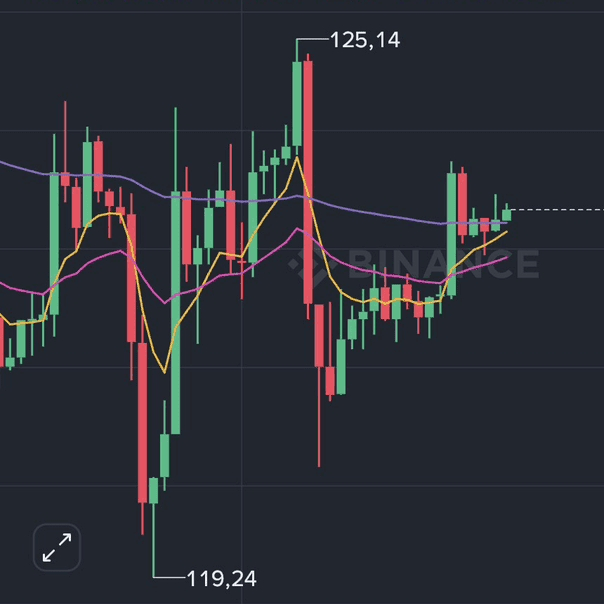
$WAL bầy bò vẫn nắm quyền trong khi giá giữ trên mức hỗ trợ 0.149. Chừng nào đáy đó còn, xu hướng tổng thể vẫn giữ được sự tăng giá.
#walrus
$WAL bầy bò vẫn nắm quyền trong khi giá giữ trên mức hỗ trợ 0.149. Chừng nào đáy đó còn, xu hướng tổng thể vẫn giữ được sự tăng giá.
#walrus
Xem bản gốc
Walter con Hải Mã và Nghệ Thuật Không Quan Tâm
Walter có một vấn đề, và vấn đề đó là Kevin.
Kevin là con hải mã hiện đang nằm trên vây trái của Walter, ngáy như một động cơ diesel bị tắc nghẽn. Kevin nặng khoảng 2.800 pound. Vây của Walter đã mất hết cảm giác cách đây khoảng bốn mươi phút.
Đây là cuộc sống khi bạn là một con hải mã.
Walter có thể di chuyển. Anh ấy chắc chắn có khả năng làm điều đó. Với trọng lượng chiến đấu đỉnh cao của mình là 3.200 pound, anh ấy hoàn toàn có thể đẩy Kevin ra và lấy lại không gian riêng tư của mình. Nhưng đây là điều về những con hải mã mà không ai nói với bạn: chúng rất ngại xung đột đến mức nghiêm trọng. Chắc chắn, chúng sẽ chiến đấu bằng ngà để giành quyền giao phối hoặc những chỗ trên bãi biển tốt nhất, nhưng đối với những sự phiền toái hàng ngày? Chúng thà chỉ... đối phó với nó.
Kevin là con hải mã hiện đang nằm trên vây trái của Walter, ngáy như một động cơ diesel bị tắc nghẽn. Kevin nặng khoảng 2.800 pound. Vây của Walter đã mất hết cảm giác cách đây khoảng bốn mươi phút.
Đây là cuộc sống khi bạn là một con hải mã.
Walter có thể di chuyển. Anh ấy chắc chắn có khả năng làm điều đó. Với trọng lượng chiến đấu đỉnh cao của mình là 3.200 pound, anh ấy hoàn toàn có thể đẩy Kevin ra và lấy lại không gian riêng tư của mình. Nhưng đây là điều về những con hải mã mà không ai nói với bạn: chúng rất ngại xung đột đến mức nghiêm trọng. Chắc chắn, chúng sẽ chiến đấu bằng ngà để giành quyền giao phối hoặc những chỗ trên bãi biển tốt nhất, nhưng đối với những sự phiền toái hàng ngày? Chúng thà chỉ... đối phó với nó.
Dịch
#walrus $WAL #walrus $WAL
Decentralized storage takes a step forward with @walrusprotocol. Powered by $WAL , Walrus delivers a scalable storage layer on Sui designed to handle large files—images, videos, and datasets—securely, affordably, and reliably. With its programmable storage platform, developers can confidently create data-centric dApps on Walrus.
#Walrus #WalrusProtocol #Walru #WALRUSPREDICTION@Walrus 🦭/acc
Decentralized storage takes a step forward with @walrusprotocol. Powered by $WAL , Walrus delivers a scalable storage layer on Sui designed to handle large files—images, videos, and datasets—securely, affordably, and reliably. With its programmable storage platform, developers can confidently create data-centric dApps on Walrus.
#Walrus #WalrusProtocol #Walru #WALRUSPREDICTION@Walrus 🦭/acc
Dịch
#walrus $WAL #walrus $WAL
Walrus Coin is drawing growing interest as an early-stage, community-led project in the crypto market. Still in its formative phase, it mirrors a wider movement where meme-inspired tokens emphasize community engagement, openness, and steady ecosystem building. Like many young assets, Walrus has experienced volatility, yet its community activity has stayed strong. Instead of short-term hype, many supporters see Walrus Coin as a long-term experiment in growth, culture, and hands-on participation in decentralized markets.@Walrus 🦭/acc
Walrus Coin is drawing growing interest as an early-stage, community-led project in the crypto market. Still in its formative phase, it mirrors a wider movement where meme-inspired tokens emphasize community engagement, openness, and steady ecosystem building. Like many young assets, Walrus has experienced volatility, yet its community activity has stayed strong. Instead of short-term hype, many supporters see Walrus Coin as a long-term experiment in growth, culture, and hands-on participation in decentralized markets.@Walrus 🦭/acc
🎙️ Dusk going to the Moon 🌝
Kết thúc
04 giờ 21 phút 10 giây
21.6k
12
Đăng nhập để khám phá thêm nội dung